Tips
Connect with other people
relationships are important for your mental wellbeing. They can:
- help you to build a sense of belonging and self-worth
- give you an opportunity to share positive experiences
- provide emotional support and allow you to support others
There are lots of things you could try to help build stronger and closer relationships: if possible, take time each day to be with your family, for example, try arranging a fixed time to eat dinner together
- arrange a day out with friends you have not seen for a while
- try switching off the TV to talk or play a game with your children, friends or family
- have lunch with a colleague
- visit a friend or family member who needs support or company
- volunteer at a local school, hospital or community group. Find out how to volunteer on the GOV.UK website
- make the most of technology to stay in touch with friends and family. Video-chat apps like Skype and FaceTime are useful, especially if you live far apart
Mental Health Foundation
Be physically active Being active is not only great for your physical health and fitness. Evidence also shows it can also improve your mental wellbeing by:
- raising your self-esteem
- helping you to set goals or challenges and achieve them
- causing chemical changes in your brain which can help to positively change your mood
There are lots of ways to bring physical activity into your life. such as:
- walking to the shops instead of driving
- getting off the bus one stop earlier and walking the rest of the way
- using the stairs instead of the lift
- going for a walk at lunchtime
- trying a new activity or sport, such as yoga, swimming, dance or martial arts
- joining a local sports team or exercise group to meet new people
- read about exercise such as running and aerobic exercises to help get you moving and improve your fitness
- read about how to improve your strength and flexibility to increase muscle strength, improve balance and reduce joint pain
- if you're a wheelchair user, read fitness advice for wheelchair users
Learn new skills
Research shows that learning new skills can also improve your mental wellbeing by:
- boosting self-confidence and raising self-esteem
- helping you to build a sense of purpose
- helping you to connect with others
Even if you feel like you do not have enough time, or you may not need to learn new things,
there are lots of different ways to bring learning into your life. Some of the things you could try include:
- try learning to cook something new. Find out about eating a healthy, balanced diet
- try taking on a new responsibility at work, such as mentoring a junior staff member or improving your presentation skills
- work on a DIY project, such as fixing a broken bike, garden gate or something bigger. There are lots of free video tutorials online
- consider signing up for a course at a local college. You could try learning a new language or a practical skill such as plumbing
- try new hobbies that challenge you, such as writing a blog, taking up a new sport or learning to paint
Give to others
Research shows that giving to others can improve your mental wellbeing by:
- giving you a feeling of purpose and self-worth
- helping you connect with other people
- creating positive feelings and a sense of reward
- helping you to cope with difficult times
It could be small acts of kindness towards other people, or larger ones like volunteering in your local community.Some examples of the things you could try include:
- saying thank you to someone for something they have done for you
- asking friends, family or colleagues how they are and really listening to their answer
- spending time with friends or relatives who need support or company
- offering to help someone you know with DIY or a work project
- volunteering in your community, such as helping at a school, hospital or care home
Plan things to look forward to
Life throws all sorts at us, and during hard times, we may feel hopeless and not have the energy to plan for the future. Things to look forward to, including fun activities, can help us cope with difficult situations. Making plans for things we enjoy can increase our sense of hope, which is important for our mental health. Our plan could be for anything from small pleasures, like a cup of tea or your favourite TV programme or dance class, to a trip with family or friends, or seeing your favourite film, sports team or singer. Whether it’s a small or a big one, the important thing is to plan it. Decide what you’ll do, when and with who and, if needed, book it. It’s important to follow your plan – and repeat.
general mental health Tips
Take a break if you need to
- If you're feeling overwhelmed by a stressful situation,
try to take a break. A change of scene may help you to relax and relieve feelings of
distress,
even just for a few minutes.
Do something you enjoy
- Try to make time to do an activity you like on a regular basis.
This could be cooking a meal, getting in touch with a friend or watching TV.
Try to manage stress
- If you're under a lot of pressure, you may start to feel overwhelmed or out of control.
Stress can also cause physical effects on our bodies.
It could help to find ways to manage your stress levels, such as through relaxation
More general mental health Tips
Make a self-care kit
- may help to put together some things that could help you when you’re struggling.
A self-care kit is filled with things that normally comfort you and help you relax.
Take care online
- there is a lot on the internet that may affect our wellbeing.
- You may find that you're spending more time online than you'd like. Or that it's making your mental health worse.
- It could help to take breaks from the internet.
- Or change the accounts you follow or websites you visit.
Affirmations

I release all anxiety and embrace calmness and peace.

I am capable of managing my thoughts and feelings, and I choose to focus on positivity and joy.

My mind is clear and calm, and I am in control of my emotions.

I am worthy of love, happiness, and inner peace.

I choose to let go of stress and welcome tranquility into my life.

I am surrounded by positive energy that uplifts and supports me.
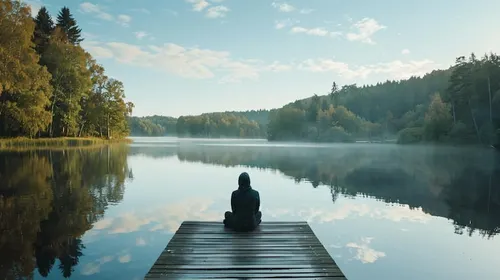
Each breath I take fills me with calmness and serenity.